
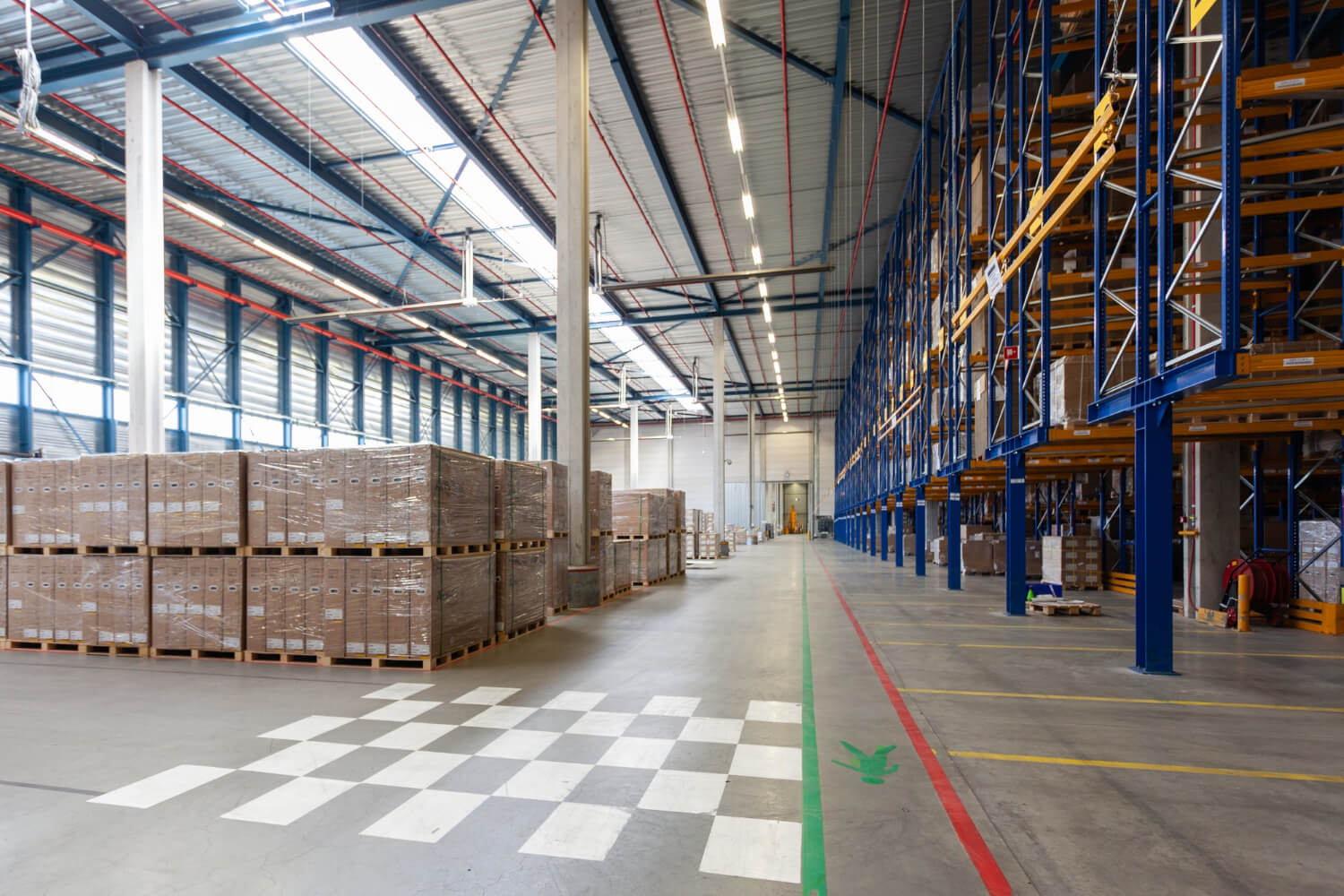
How Seasonal Changes Impact Floor Cleaning Chemical Performance in Warehouses
As an experienced warehouse manager here in South Australia, I've learnt that maintaining a clean warehouse floor is no simple task. While we might think of cleaning as a straightforward process, the reality is that the performance of floor cleaning chemicals can fluctuate dramatically with the seasons. This blog aims to shed light on how temperature and humidity shifts affect cleaning chemicals and what strategies you can implement to ensure your warehouse floor stays clean all year round.
The Role of Floor Cleaning Chemicals
The importance of using the right floor cleaning chemical can't be overstated. Not only do these chemicals play a vital part in maintaining cleanliness, but using the wrong type can also lead to damage and costly repairs. Chemicals are tailored for specific floor types and cleaning needs, making it crucial to choose the right one for your warehouse environment.
Types of Floor Cleaning Chemicals
- Neutral Cleaners: Ideal for daily cleaning with a safe pH level, great for surfaces like hardwood and tile.
- Alkaline Cleaners: Effective for breaking down grease, commonly used on concrete floors but can be harsh on surfaces like carpet.
- Acidic Cleaners: Perfect for removing mineral deposits, but avoid use on marble or calcium-based stones.
- Specialty Cleaners: Formulated for specific issues, such as enzymatic cleaners for biological stains and ammonia-based cleaners for hard surfaces.
Best Use by Floor Type
Determining the best cleaning chemical for your specific floor type is essential. Concrete floors work well with alkaline or neutral cleaners, while delicate marble floors should be cleaned with neutral cleaners to avoid damage.
Impact of Seasonal Changes on Floor Cleaning Chemical Performance
With the Australian climate, particularly here in South Australia, seasonal changes can be unpredictable. These shifts can significantly alter how floor cleaning chemicals perform.
Temperature Variations
During the scorching summer months, high temperatures can cause cleaning chemicals to dry rapidly. This accelerated drying process not only reduces the effectiveness of the clean but can also leave residues that make floors slip-prone. Adjustments such as increasing water content in the cleaning solution might be necessary to counteract rapid evaporation.
Humidity Fluctuations
Humidity plays a crucial role too. In more humid conditions, certain cleaning agents may not dry quickly enough, leading to streaks or a sticky residue on your floors. In contrast, low humidity typical of winter can enhance evaporation, demanding a modified approach to your floor-cleaning techniques.
Adjusting Cleaning Strategies for Optimal Results
Given these variables, adopting an adaptive cleaning strategy is key to maintaining floor safety and cleanliness throughout the year.
Tailoring Chemical Mixtures
Adjust chemical mixtures according to the season. In hotter months, you might consider diluting chemicals more to compensate for rapid evaporation. Alternatively, in colder months, ensure longer dwell times or increase concentration slightly to keep surfaces cleaner as evaporation rates decrease.
Flexible Scheduling
Adapt cleaning schedules to complement the weather. Clean in the cooler parts of the day during summer or opt for more frequent lighter cleans in winter when residues might linger.
Testing and Monitoring
Regularly test small patches of your warehouse floor with cleaning agents before a full application. This not only safeguards your flooring material but also ensures the cleaner’s effectiveness under current climatic conditions. Monitor drying times and adjust as needed.
Best Practices for Using Floor Cleaning Chemicals
- Read Labels: Always adhere to instructions on dilution and application methods specific to your chemical choice.
- Use Correct Amounts: Using too much can lead to residues, while too little might affect cleaning efficacy.
- Rinse Thoroughly: Particularly for floors like concrete or tiles to prevent slips from leftover residues.
Safety Considerations
While cleaning, prioritise safety. Always use protective gear like gloves and masks where needed and ensure the cleaning area is well-ventilated. Store chemicals safely out of reach from children and pets.
Environmental Considerations
Where possible, opt for eco-friendly cleaning solutions, such as enzymatic or hydrogen peroxide-based cleaners. These not only reduce environmental impact but are safer for indoor air quality too.
Conclusion
By understanding the role of floor cleaning chemicals and how seasonal conditions affect their performance, we can better maintain healthy and safe warehouse environments. Thoughtful adaptation of cleaning strategies can turn the challenge of seasonal shifts into an opportunity for innovation, ensuring that your warehouse floors are clean, safe, and long-lasting year-round.
Maintaining a flexible approach and staying informed about the properties of various cleaning chemicals can be the key to efficient warehouse maintenance. Let’s keep those floors sparkling, regardless of what the Aussie weather throws at us!