
Low Moisture Encapsulation vs. Hot Water Extraction: Which Carpet Cleaning Method Is Better?
Maintaining the cleanliness of carpets can be quite a challenge, especially if you’ve got high foot traffic areas at home or in a commercial setting. Chances are, if you’re here, you’re weighing your options between different carpet cleaning methods. This article will dive into the ins and outs of two popular techniques: Low Moisture Encapsulating Cleaner and Hot Water Extraction. Let’s make that choice a little bit easier for you, and keep those carpets looking tip-top.
Understanding Low Moisture Encapsulation Carpet Cleaning
Low moisture encapsulating carpet cleaning has been making waves in the cleaning industry, particularly for its efficiency and effectiveness in various settings. Whether at home or in commercial spaces, this method is becoming a favourite for maintaining carpets. Here’s how it works:
How Does Encapsulation Carpet Cleaning Work?
- Application of the Cleaning Solution: A cleaning solution containing special polymers is applied to the carpet. This solution is low moisture and is put onto the carpets using gadgets like a pump-up sprayer or an encapsulation machine. This leads to a good scrubbing without drenching your floors.
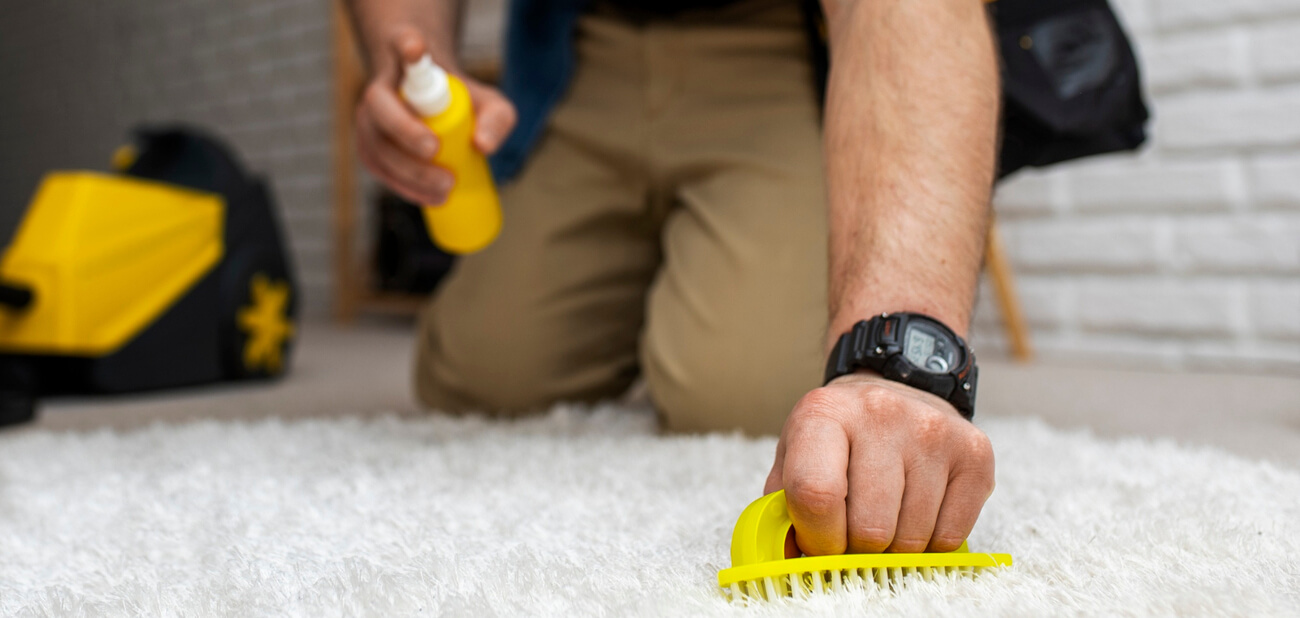
- Agitation: Fancy term, but it just means the cleaning solution gets a good rub into your carpets using machines with brushes or pads. It’s like giving your carpet a good ol' massage, releasing the dirt that’s clinging onto those fibres.
- Drying and Encapsulation: Over the next 10-15 minutes, as the solution settles, the polymers in it start acting like traps for the dirt, breaking the hold between the dirt and carpet threads.
- Vacuuming: After it dries, a regular vacuum removes the encapsulated particle clusters. This results in a residue-free carpet.
Benefits of Encapsulation Carpet Cleaning
1. Low Moisture and Quick Drying
Quick is the word here. With low water involved, drying takes as little as 15-30 minutes, making it ideal if you need to use your space soon after cleaning.
2. No Residue
Since there’s no residue left behind, you won’t have to worry about rapid re-soiling. It keeps your carpet looking fresh for a much longer time.
3. Effective Soil Removal
This method excels at removing soil rather than pushing it around, unlike some alternative techniques. It ensures more than half of the actual soil is taken away.
4. Enhanced Appearance
With continued encapsulation cleaning, your carpets will maintain a vibrant, clean look, crucial for areas needing regular maintenance.
5. Sustainability
Using significantly less water—about 70% less than traditional methods—you’re doing your bit for the environment while getting clean carpets.
All About Hot Water Extraction
Hot Water Extraction (HWE), often known as steam cleaning, is another popular method. Though it’s called ‘steam cleaning,’ it’s more about hot water than actual steam. Here’s the process:
How Does Hot Water Extraction Work?
- Preconditioning: A chemical solution is applied to loosen dirt.
- Injection: Hot water is injected into the carpet fibres at high pressure, loosening dirt and debris.
- Extraction: A vacuum suctions away the water and dirt, leaving the carpet clean.
Benefits of Hot Water Extraction
1. Deep Cleaning Power
This method can effectively remove deep-seated dirt and allergens, bringing a thorough, deeper clean.
2. Germ and Bacteria Elimination
The heat involved can kill germs and bacteria, making it a solid option if sanitisation is a priority for you.
3. Allergen Reduction
For those sensitive to allergens, HWE can significantly help in reducing allergens present in carpets.
Comparing Low Moisture Encapsulation and Hot Water Extraction
Both methods have their users and advocators depending on what they need. Let’s dive into a quick comparison of the two:
1. Drying Time
Encapsulation wins by a mile here, with carpets drying in about 15-30 minutes. Hot water extraction can require up to 24 hours for complete drying, which might be a downside if you’re in need of swift usage of the space.
2. Cleaning Power
If you’re dealing with deep-seated grime, HWE might take the edge with its deeper cleaning. However, for regular maintenance and less invasive needs, encapsulation does just fine.
3. Cost and Labour
Encapsulation often translates to less labour and lower cost since it requires less setup and time to clean large areas.
4. Environmental Impact
Encapsulation usually results in less water waste, tipping the scales in favour of sustainability compared to HWE.
Choosing the Right Method for You
Ultimately, the choice boils down to your specific needs and situation. If time and quick usage of the space are imperative or you’re going for sustainability, low moisture encapsulating cleaner might be your best bet. However, if you’re tackling deeply embedded dirt or need a stringent sanitation process, hot water extraction might be the way to go.
Final Thoughts
Both low moisture encapsulating cleaner and hot water extraction offer distinct benefits and serve their purpose based on different cleaning supplies needed. Whether it’s the efficient low-moisture approach or the deep-cleaning power of hot water, ensuring your carpets remain pristine boils down to the right method and timing for your spaces.
Hopefully, this guide has shed some light on both methods, helping you get those carpets of yours as clean as possible, while fitting well within your lifestyle or workplace needs.