
The Best Techniques for Cleaning Large Floor Areas Quickly and Effectively
Whether you're dealing with a bustling commercial space, a sprawling industrial site, or an expansive home, large floor area cleaning is a task that demands planning and precision. With the right techniques and tools, you can maintain spotless, safe, and long-lasting flooring that looks the part. Let's dive into the best methods to achieve those pristine floors.
Preparation: The Foundation of Successful Cleaning
Before you even think about wet mopping or using cleaning solutions, it’s essential to prepare your floors with dry cleaning. This step is crucial in preserving the integrity of your cleaning tools and the surface of your floor.
Dusting and Sweeping
- Vacuum Cleaners: Perfect for hard and wooden floors, especially in high-traffic areas. Choose a vacuum with strong suction and suitable attachments for your specific floor type.
- Brooms or Brushes: For those tricky spots or to tackle larger debris when a vacuum isn't feasible.
- Sweepers: Direct throw sweepers are great for fine debris, while overthrow sweepers handle coarser material, collecting it into a handy hopper.
Always perform this step before introducing any moisture to the floor. It prevents dry particles from embedding themselves in your cleaning solution or damaging your scrubber pads.
Cleaning Techniques for Various Floor Types
Different flooring materials require unique care and cleaning solutions to maintain their appearance and durability. Here’s how you can effectively tackle each surface.
Hardwood Floors: Handle with Care
- Use a microfiber mop or a vacuum cleaner to gently remove dust and debris without scratching.
- Mop with a hardwood-specific cleaner that dries quickly, ensuring no water damage occurs.
- For deep-cleans, a mixture of water and vinegar can be effective, or consider specialist cleaning kits designed for wood.
Vinyl Floors: Durable but Delicate
- Similar to hardwood, dusting and vacuuming should be your first step.
- When mopping, use minimal water with a microfiber mop, which helps prevent any warping.
- Specialised vinyl cleaning products can enhance longevity and appearance.
Linoleum Floors: Moisture-Friendly
- Microfiber mops or vacuums are ideal for keeping these floors clean daily.
- Handle more moisture than other floors; utilise mild soap in your cleaning routine.
Tile Floors: Robust but Demanding Special Treatment
- Daily dusting and vacuuming are key to maintaining tile floors.
- For non-porous tiles, a light cleaning solution suffices. Porous tiles, however, need careful treatment to avoid water stains.
- Steam cleaning can help with thorough dirt removal without harming the tiles.
Stone Floors: Natural Beauty Requires Premium Care
- Stone floors, whether sealed or unsealed, demand careful handling.
- Gently use a vacuum or microfiber mop for dry dusting.
- Ensure any cleaning solutions are suitable for stone to prevent damage.
Advanced Cleaning Techniques: When Traditional Methods Aren't Enough
Automatic Floor Scrubbers and Polishers
These floor scrubber machines are game-changers for large-scale cleaning tasks, delivering efficiency and a streak-free sheen. They're indispensable for high-traffic areas and are compatible with many hard flooring types.
Hot Water Extraction and Steam Cleaning
Ideal for deep-cleaning tasks, these methods effectively tackle stubborn grime and residue:
- Hot Water Extraction: Especially useful for tile, stone, and even on hardwood for persistent stains.
- Steam Cleaning: Lifts dirt and dissolves build-up without harsh chemicals, preserving your floor's finish.
Maintenance and Safety: Contributing to Longevity
Regular Maintenance: A Routine to Rely On
A consistent cleaning schedule is your greatest ally. This should include:
- Daily or frequent dusting/vacuuming depending on the foot traffic.
- Scheduled deep cleans aligned with the specific needs of your flooring type.
Safety Considerations: Prioritising Well-being
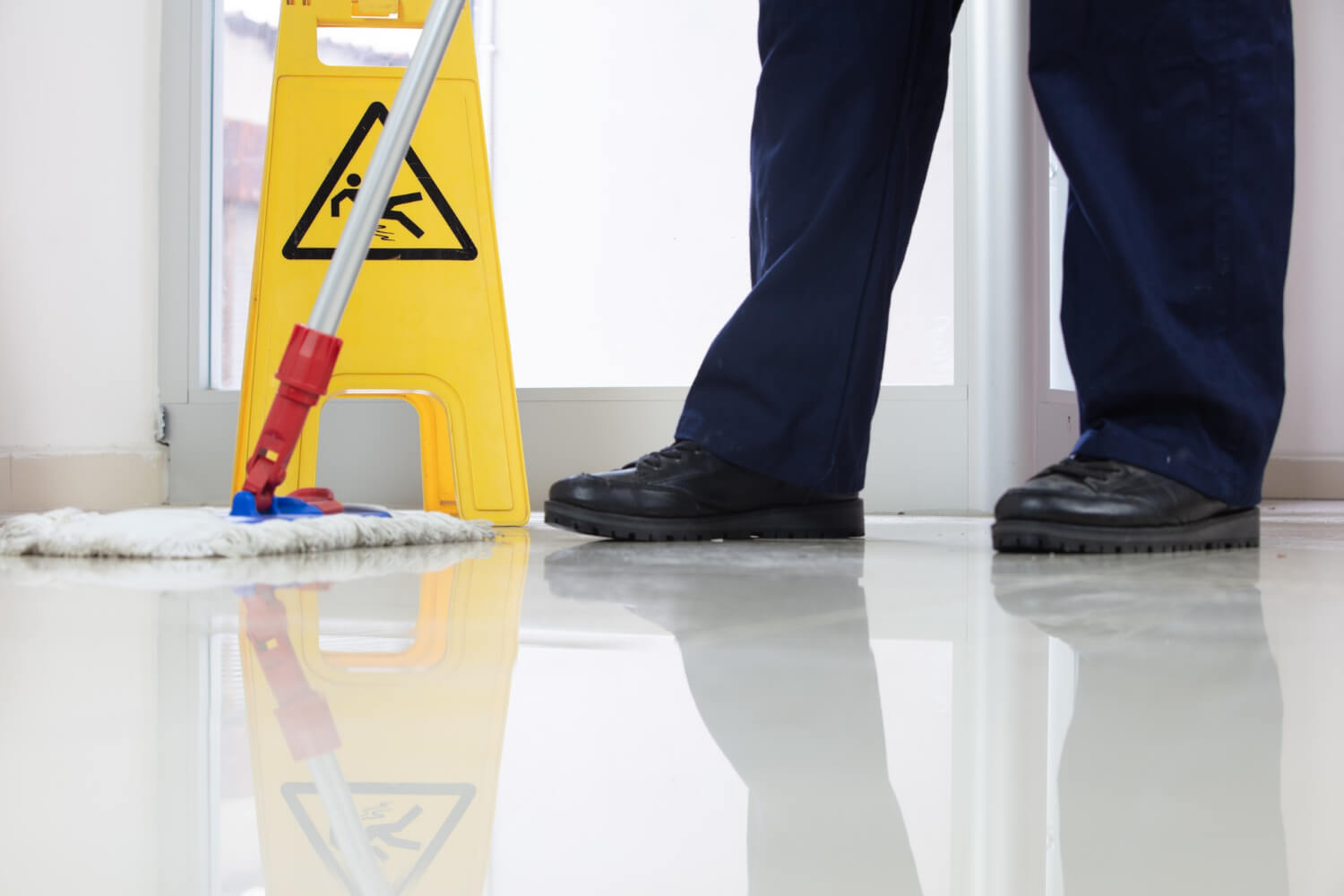
- Prevent slip hazards by ensuring floors are dry after cleaning and using signage if necessary.
- Employ the correct cleaning products to maintain the floor’s condition.
- Training for staff on equipment and chemical use is critical to safety and efficiency.
Conclusion: Keeping Floors Immaculate and Safe
When it comes to large floor area cleaning, the right approach can make all the difference. By carefully selecting your cleaning techniques based on floor type, utilising advanced equipment where appropriate, and sticking to a solid maintenance routine, you ensure your floors stay clean, safe, and visually appealing. Keep in mind, safety on site is just as important as cleanliness, helping you maintain a welcoming environment for everyone who walks your floors.