Understanding the Different Types of Cleaning Chemical Products and Their Uses
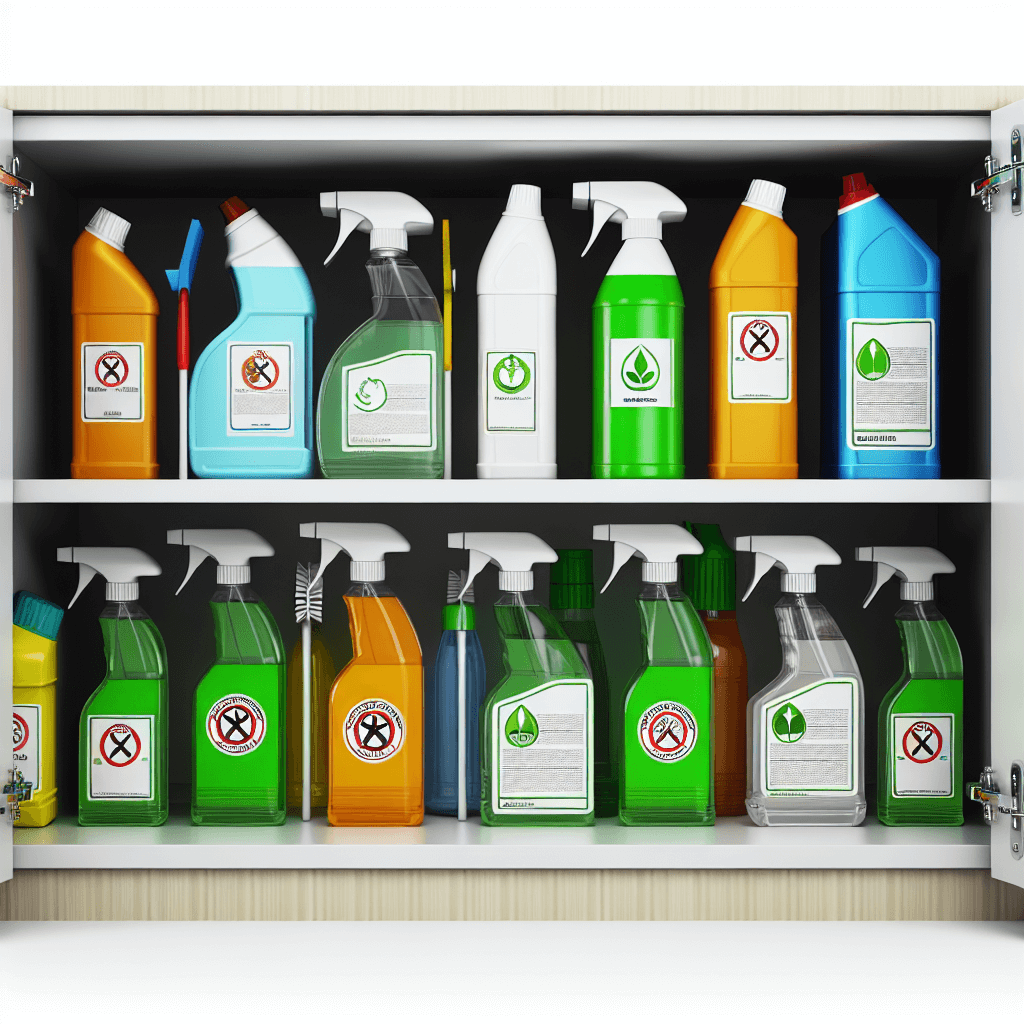
Walk down any cleaning aisle, and you’re met with shelves stacked high with cleaning chemical products, each promising a spotless home, a fresh scent, and a germ-free environment.
Unfortunately, though, most people are reaching for the wrong product. Not because they don’t care, but because no one’s ever taught them what the different types of cleaning chemicals do or how to use them properly.
As a result, you end up with streaky glass, dull floors, or surfaces that still don’t feel quite clean, no matter how hard you scrub. Worse, using the wrong product can damage surfaces or create safety issues without you even realising it.
The secret to better results with less effort starts with understanding the type of cleaning chemicals you’re using. Once you get this right, cleaning becomes faster, easier, and far more effective.
Let’s break it down.
Diving into the Components of Cleaning Chemical Products
If you’ve ever looked at the back of a cleaning bottle and thought, what does any of this even mean?, you’re not alone.
The long ingredient lists can feel a bit over the top. But once you understand what each part does, it all starts to make sense. More importantly, it helps you choose the right cleaning chemicals and use them properly.
Surfactants
Surfactants are the heroes behind most cleaning chemical products.
Their job is to help water spread across a surface and lift dirt, so it can be wiped or rinsed away. Without them, water would just bead up and slide around, leaving most of the grime behind.
It helps to think of surfactants as the bridge between water and dirt. They loosen grease, dust, and food residue to make sure you don’t have to scrub as hard. You’ll find them in just about every cleaner, from dishwashing liquid to floor sprays.
Builders, Sequestering Agents, and Solvents
These ingredients support surfactants and make them work better, especially in tougher conditions.
- Sequestering agents bind minerals found in water to prevent them from interfering with the cleaning process.
- Builders step in to soften the water and give surfactants a bit more power. It helps tackle stubborn dirt that wouldn’t shift otherwise.
- Solvents are crucial for dissolving greases and oils to simplify the removal of persistent stains and residues.
Together, these ingredients make sure your cleaner removes dirt instead of just spreading it around.
pH Adjusters
Every cleaning product sits somewhere on the pH scale, and this affects what it’s good at.
- Alkaline cleaners (higher pH) are great for cutting through grease, fats, and protein-based mess. They’re common in kitchens and heavy-duty cleaning jobs.
- Neutral cleaners are the safe, everyday option. They work on most surfaces without causing damage, which makes them ideal for general use.
- Acidic cleaners (lower pH) are what you reach for when dealing with mineral build-up like limescale, rust, or soap scum.
Use the wrong pH, and you’ll either struggle to clean the surface or risk damaging it.
Other Ingredients
Fragrances and dyes make products smell pleasant and look attractive, even though they do nothing to boost cleaning power. Preservatives are included to keep the formula stable and prevent bacteria or mould from growing inside the bottle. In some cases, manufacturers add antibacterial agents to reduce bacteria on surfaces, depending on what the cleaner is meant for.
Each of these components has a role to play, but none of them determines how well a product cleans.
Matching Cleaning Agents to Your Needs
If you’ve ever wondered why some cleaning chemicals seem to work like magic while others barely make a difference, the answer usually comes down to the product’s pH level. Knowing which type of cleaner to use (and when) can make all the difference
Alkaline Cleaners
Alkaline cleaners are heavy-duty problem-solvers. They’re made to cut through grease, oils, and protein-based messes found in kitchens or garages. If you’ve ever scrubbed at baked-on residue or sticky buildup, an alkaline cleaner is your best friend. They’re powerful, so a little goes a long way.
Neutral Cleaners
Neutral types of cleaning chemicals are your everyday go-to. They’re gentle on most surfaces but strong enough to keep your home looking fresh and clean. Perfect for regular maintenance on floors, countertops, and walls, they don’t leave streaks or residue behind.
Acidic Cleaners
These are the specialists for tough jobs like soap scum, limescale, or hard water stains. You’ll use them most often in bathrooms or kitchens where minerals tend to build up. While they’re effective, they’re a bit more intense and work best when used carefully and sparingly. Avoid using them on delicate stones like marble or granite.
The Difference Between Cleaning, Sanitizing, and Disinfecting
We tend to throw these words around like they mean the same thing, but they don’t. Each one plays a distinct role in keeping your space truly healthy.
Cleaning
Cleaning is the first and most basic step. It doesn’t necessarily kill germs, but it clears them out of the way and makes the next steps much more effective.
Sanitizing
Sanitizing goes a step further. By reducing bacteria to levels considered safe by public health standards, sanitizing keeps kitchens, food-prep surfaces, and other busy areas from becoming breeding grounds for germs.
Disinfecting
Disinfecting is the most intensive of the three. It uses stronger chemicals designed to kill bacteria, viruses, and other harmful microorganisms on contact. Disinfecting is especially important in places that require strict infection control, like hospitals, schools, or any setting where health and safety come first.
Safety First: How to Handle Cleaning Products
A sparkling home should never come at the expense of your safety. Many accidents happen because people underestimate the strength of the cleaning chemicals they’re using.
Start with the Label
Every product comes with instructions for a reason. Take a quick minute to read them before you dive in. Labels tell you exactly how much to use, what surfaces it’s safe for, and what to avoid. A quick scan can save you from damaged counters, irritated skin, or worse.
Protect Yourself and Your Space
Wear gloves if the product is strong, keep windows open for airflow, and skip the urge to “experiment.” Mixing cleaners might seem like a shortcut to extra strength, but it can create harmful fumes or reactions.
Be Ready for the Unexpected
If something goes wrong, act quickly. Move to fresh air, rinse the affected area, and call emergency services if needed. Having the product label nearby will help responders know exactly what they’re dealing with.
Impact on Environment and Health
The cleaning chemical products we use can sometimes take a hidden toll on both the planet and our well-being. When we think beyond the sparkling counters and clean floors, it’s easy to see why mindful product choices make such a difference.
Environmental Concerns
Many mainstream cleaning chemicals contain chemicals that, once washed down the drain, can harm aquatic life or disrupt natural ecosystems. Even small amounts can add up over time, polluting waterways or seeping into the soil.
Fortunately, eco-friendly types of cleaning chemicals are more accessible than ever. Look for cleaners bearing certifications like the Safer Choice or EcoLogo labels. These products meet strict environmental safety standards while still being tough on grime.
You can also opt for refillable or concentrated formulas to reduce plastic waste and packaging impact.
Health Implications
Strong chemical cleaners often give off fumes that can irritate your eyes, lungs, and skin, especially in enclosed spaces. Long-term exposure to certain ingredients, such as ammonia or chlorine-based compounds, can aggravate respiratory issues and allergies.
Products with natural ingredients like vinegar, citrus, or baking soda clean effectively without risking your comfort or health.
Also, remember, ventilation is your best friend. Open windows, turn on fans, and avoid overusing products: more isn’t always better. By using the right amount and following directions carefully, you can maintain a hygienic home that’s safe for you and kind to the planet.
Taking the Next Step
Understanding the different types of cleaning chemicals (and using them the right way) is the key to safer, smarter, and more sustainable cleaning. When you know what each product does, you achieve better results, protect your health, and reduce your environmental impact.
At CTSS, you’ll find a carefully curated range of cleaning solutions designed to deliver exceptional performance without compromising safety or sustainability. Whether you’re managing a commercial facility, maintaining a workspace, or keeping your home in top shape, we can help you choose the product that fits your needs perfectly.
Explore the full CTSS product range today.