
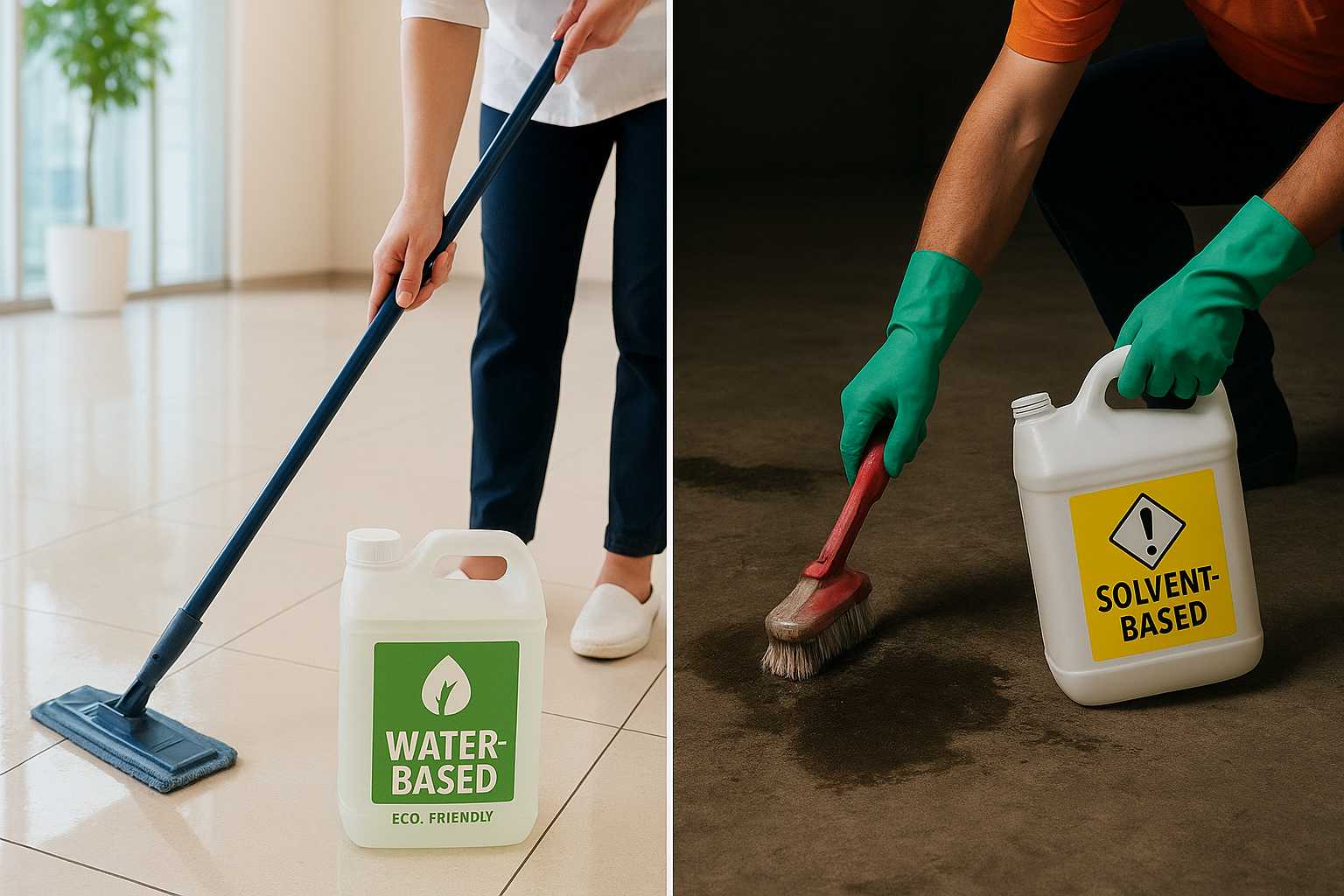
Water-Based vs. Solvent-Based Commercial Floor Cleaning Solutions: Which One Should You Use?
G'day! If you're tasked with the upkeep of a commercial space, you'll know that clean, shiny floors can make a world of difference. But with the ocean of cleaning products out there, which type should you opt for? I'm here to break down the nitty-gritty between water-based and solvent-based commercial floor cleaning solutions so you can make an informed choice without feeling like you’re wading through jargon-infested waters.
Understanding Your Options: Water-Based and Solvent-Based Cleaners
Let's start at the beginning. The type of cleaner you choose depends heavily on your flooring type and specific cleaning needs. Each offers unique benefits and is suited for different situations. So, let's dive into the details and help you suss out which is the right fit for your commercial floors.
Water-Based Commercial Floor Cleaning Solutions
Water-based cleaning solutions are predominantly made up of water with additional cleaning agents. They're often favoured due to being less harsh and more environmentally friendly compared to solvent alternatives. They're highly effective on floors that are regularly maintained and don’t require heavy-duty cleaning. Let’s look at some pros and cons.
Advantages of Water-Based Solutions
- Eco-Friendly: Usually biodegradable, reducing your environmental footprint. This makes them a top choice if you’re looking to practice eco-friendly cleaning.
- Non-Toxic: Generally safer for both cleaning staff and visitors who traverse your floors daily.
- Great for Frequent Use: Perfect for day-to-day cleaning tasks, especially in public areas where high standards of cleanliness are important.
Drawbacks of Water-Based Solutions
- Limited Power: May not be effective on tough stains or heavily soiled surfaces.
- Drying Time: Water-based solutions may take longer to dry, potentially leading to slippery hazards if not managed properly.
Solvent-Based Commercial Floor Cleaning Solutions
Solvent-based cleaners consist primarily of chemical solvents designed to tackle stubborn grime and dirt. They're the 'big guns' you might want to bring out when water-based solutions just aren't cutting it. Here’s what you need to consider:
Advantages of Solvent-Based Solutions
- Heavy Duty: Excellent at removing tough stains and greasy residues that would otherwise persist.
- Fast Acting: Generally dries quicker, reducing downtime between cleaning and use.
Drawbacks of Solvent-Based Solutions
- Environmental Impact: Generally less eco-friendly, potentially contributing to pollution.
- Health Risks: Requires careful handling as exposure can bear health risks for your cleaning crew.
- Surface Compatibility: Some solvents can damage delicate floors like vinyl or rubber, making them less versatile.
Matching Your Cleaner with Your Flooring
So, how do you choose the right one for your commercial floors? Well, it really boils down to what type of floors you’ve got and how dirty they get. Let’s explore some common flooring types and the perfect cleaner match.
Concrete Flooring
Concrete is robust but not impervious to stains and dust. For routine cleaning, a water-based solution should do the trick. However, for more intensive cleaning, a solvent-based cleaner might be necessary to remove stubborn grease or oil stains.
Carpeted Flooring
Water-based cleaners are often more suitable for carpets due to their gentle nature. For deep cleaning, opt for carpet extractors that use hot water extraction methods. Remember, solvent-based solutions may be too aggressive for most carpets, risking discolouration.
Vinyl and Laminate Flooring
Avoid solvent-based solutions as they can damage the surface or loosen adhesives. Water-based cleaning products are your best bet for regular upkeep.
Tile Flooring
Both water and solvent-based solutions can be used here, depending on the extent of the dirt and grime. For regular cleaning, water-based will suffice, but incorporating solvent-based products for periodic deep cleans might be beneficial.
Hardwood Flooring
Solvent-based cleaners could be too aggressive, potentially dulling the finish. Stick to water-based products specifically designed for wood flooring to maintain shine and prevent damage.
Practical Considerations for Cleaner Selection
When selecting a cleaning solution chemicals, think beyond the floor type. Consider the following practical aspects:
Safety and Health Regulations
Always evaluate the potential health risks associated with using chemical-based cleaners in high-traffic areas. The right product should align with any workplace safety checks or guidelines in place.
Environmental Footprint
If reputable appearance is part of your brand's ethos, sticking with environmentally friendly (often water-based) solutions may bolster your green image.
Budget Constraints
Determine how much you’re willing to spend on floor maintenance. Often, the choice between frequent, mild cleans versus less regular, heavy-duty scrubs can influence your decision.
Final Thoughts
Choosing between water-based and solvent-based commercial floor cleaning solutions is not as daunting as it first seems. By considering your floor type, environmental concerns, and specific business needs, you can confidently select the most appropriate solution that maintains both the visual appeal and integrity of your floors.
Whether you opt for the eco-friendly gentleness of water-based solutions or the sheer power of solvent-based can depend on region-specific issues or indeed the branding yours adopts. Whatever the choice, ensuring your commercial space reflects cleanliness and care is always a smart business decision.
Don't skimp on regular checks and professional consultations to make sure that your cleaning practices are up to par with safety standards and your company’s preferences. Remember, a well-maintained floor can be the unsung hero of your commercial enterprise, keeping everything looking schmick as! Until next time, keep it clean and green!