
Are You Overdosing Your Chemicals? How to Avoid Costly Overuse in Floor Scrubbers
G'day, mates! Today we're diving into a topic that might not be a typical conversation starter at the pub, but trust me, it can save you a pretty penny if you use floor scrubbers regularly. We’re talking about the overuse of floor scrubbers chemicals and how to avoid it. So, if you're aged between 30 and 60, and you want to keep your floors sparkling without wrecking your budget or your scrubber, stick with me.
Understanding Floor Scrubbers and Their Chemicals
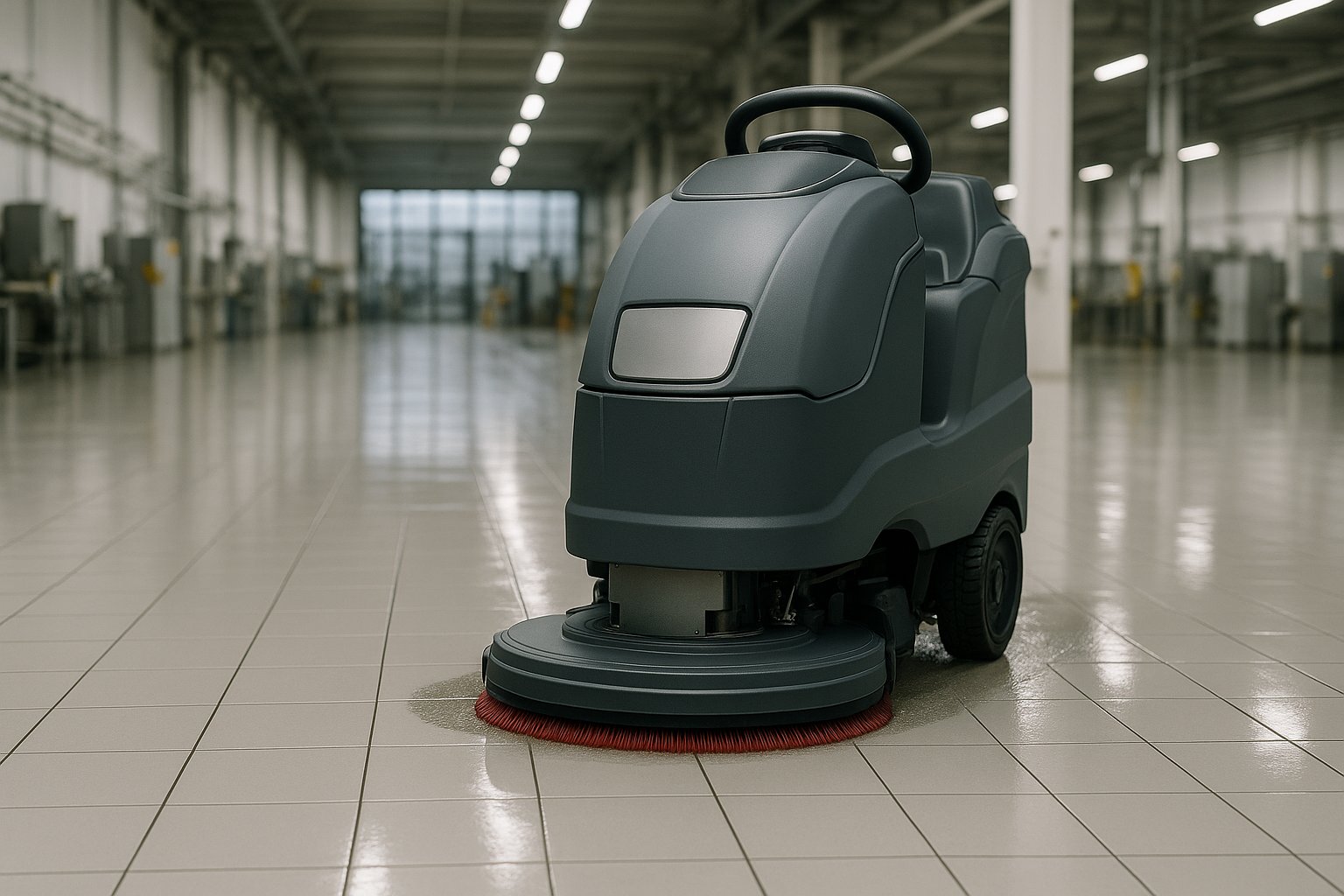
Let's start with the basics. Floor scrubbers are those big machines you see in shopping centres, hospitals, or factories that keep floors nice and clean. They’re crucial in maintaining hygiene and safety by removing dirt, dust, and other nasties. But, the type of cleaning chemicals you use with them can make or break their efficiency.
Why Use Floor Scrubbers?
- Safety: Clean floors help prevent slips and falls, making the environment safer for everyone.
- Maintenance: Regular cleaning prolongs the life of your floors.
- Hygiene: Essential in places like kitchens and hospitals to meet cleanliness standards.
- Cost Savings: Keeps you from needing to replace flooring too often—a big win for your wallet.
Types of Floor Cleaning Chemicals
Now, there are different cleaning chemicals used in floor scrubbers, and they can be classified based on their pH levels. Here’s a quick rundown:
Neutral pH Detergents
- General Purpose: Safe for most surfaces, environmentally friendly, and great for daily cleaning.
- Surface Compatibility: Work well on hardwood, tile, and even carpeted areas.
Acidic Detergents
- Tough Stains: Good for tough stains but should be used cautiously.
- Surface Limitations: Avoid on surfaces like marble or limestone; can cause damage.
Alkaline Detergents
- Grease and Oil: Brilliant for breaking down grease and oil stains.
- Safety Precautions: Handle with care, wear gloves and eye protection.
How Floor Scrubber Detergents Work
These detergents play a key role in lifting off dirt. They’re designed to mix with grime to create a solution that can be easily rinsed away. That’s the magic of hydrophobic and hydrophilic properties – attracting water and dirt, and lifting them away for good.
Are You Overdosing on Chemicals?
Overusing chemicals in your floor scrubber not only skyrockets costs but also harms your scrubber. Here’s how to calibrate dosages properly for effective cleaning:
Calibrating the Right Dosage
- Follow Manufacturer Guidelines: Always stick to the recommended dosage provided in the scrubber’s manual.
- Measure Accurately: Guesswork can lead to overuse. Use measuring equipment to ensure correct dosing.
- Regular Checks: Regularly check and adjust the dilution settings on your scrubber to match those specs.
Floor Condition and Surface Type
Think about the type of dirt and the floor surface. Floors with light dirt may only need a neutral pH detergent, while greasier floors might require something stronger, like an alkaline detergent. But remember, the amount still matters!
The Cost of Overusing Chemicals
It might be tempting to think that more detergent equals cleaner floors, but that’s not the case. Overuse can:
- Increase Costs: You’ll run through chemicals faster, which means buying more sooner.
- Damage Equipment: Too much detergent can lead to residue build-up inside the machine, causing damage over time.
- Environmental Impact: Excess chemicals can be harmful to the environment, especially if they’re not eco-friendly.
Safety and Precautions
When handling floor scrubber chemicals, safety is a biggie. Here's a little reminder on staying safe:
- Protective Gear: Always wear gloves, a mask, and safety goggles when handling more potent chemicals.
- Test a Patch: Before going all-in, test your detergent on a small section to prevent damage to the entire floor.
- Good Ventilation: Work in well-ventilated areas to avoid inhalation of any fumes.
Environmental Considerations
Lastly, think about the environmental bits. Go for eco-friendly (neutral pH) detergents when you can. Not only are they kinder to Mother Nature, but also often gentler on your floors.
Conclusion
Floor scrubbers are fantastic for keeping your floors in tip-top condition, but the chemicals you use are just as important. Make sure you're not overdosing on floor scrubbers chemicals. It's all about finding the right balance to keep your floors clean, your scrubber running smoothly, and your costs down. Cheers to cleaner floors and a healthier budget!