
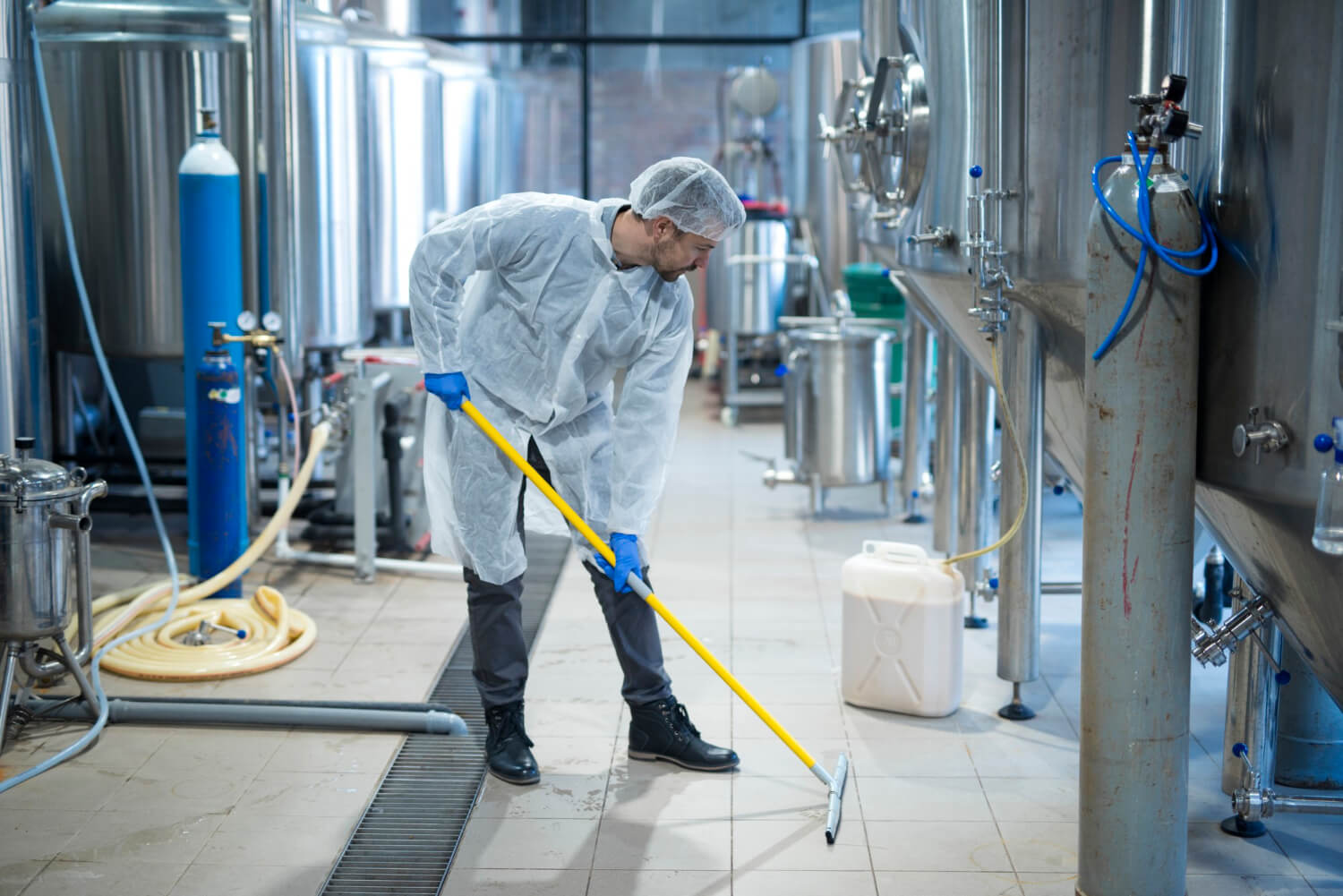
Cross-Contamination in Industrial Cleaning: How to Build a Zoning Strategy Using Chemicals & Equipment
G'day, folks! If you're in the business of food production or manage a sterile environment, you'd know how crucial it is to prevent cross-contamination. Living in South Australia, where we pride ourselves on quality produce and meticulous standards, understanding how cross-contamination can creep into our processes is vital. Today, I'll walk you through creating an effective zoning strategy using the right cleaning chemicals and cleaning equipment to keep everything shipshape.
Understanding Cross-Contamination
First things first, let's get a grip on what cross-contamination actually is. It’s essentially the transfer of nasty bacteria, viruses, or other microorganisms from one substance to another. This can happen at any stage of handling, be it during food prep, storage, or even just moving stuff around the kitchen or plant.
Cross-contamination typically occurs when harmful bacteria transfer between foods, utensils, or surfaces. For instance, using the same cutting board for chopping both raw meat and veggies without cleaning it in between – that’s a classic no-no. Other examples include personal hygiene slips, like not washing hands properly after handling raw meat or cleaning products.
How Does Cross-Contamination Happen?
Food Purchasing
Buying products with damaged packaging is like inviting germs into your space. Always ensure that packaging is intact and free from signs of damage or tampering. This simple step can stop germs at the front door.
Food Storage
Improper storage can be a breeding ground for cross-contamination, especially when raw and ready-to-eat foods share the same space. Always separate them and keep food off the floor. Invest in proper storage containers—never reuse chemical containers for food. Seriously, mate, that's a disaster waiting to happen!
Food Preparation
The kitchen can be a battlefield for germs, especially if you're not following the right practices. Use separate cutting boards for different types of foods. In a pinch, prepare veggies first, then tackle meats, fish, or poultry, cleaning thoroughly in between. And remember, always wash your hands with soap and water for at least 20 seconds before and after handling food.
Personal Hygiene
Plain and simple, good personal hygiene is your frontline defence. A quick rinse isn't going to cut it; wash your hands properly. Proper handwashing after certain activities, like using the loo or handling raw produce, is critical in preventing unwanted bacteria transfer.
Creating a Zoning Strategy
Zoning is about categorising different areas in your facility to prevent cross-contamination. Think of it as drawing invisible lines between spaces for specific tasks.
Zone Definition and Equipment
Define your zones based on activity types. For industrial cleaning chemicals, have distinct zones like ‘Raw Meat Handling’, ‘Vegetable Prep’, and ‘Packaging’. Each zone should have designated tools and chemicals. Mixing these things up is a recipe for contamination.
Invest in specialised equipment for each zone. Colour-code equipment to prevent crossover—green for veggie zones, red for meat, and so on. Equip personnel with zone-specific attire and emphasise the importance of sticking to their designated areas.
Chemicals and Rotation Protocols
Utilising the right chemicals for different zones can significantly reduce contamination risk. Not all sanitizers and cleaning agents are created equal, so choose ones that suit your operations and actively eliminate germs without being harsh on the produce or people handling them.
Additionally, rotating chemicals can halt bacteria from building resistance. Develop a chemical rotation schedule, ensuring all key areas are treated with appropriate balance.
Preventing Cross-Contamination: Key Steps
Food Storage and Preparation
- Inspect Packaging: Always reject packages that look dodgy – rust, dents, leaks are signs of potential issues.
- Proper Containers: Use food-grade containers only. Keep raw and cooked foods in separate areas.
- Hand Hygiene: Scrub those hands like you mean it. Soap, warm water, 20 seconds – no skipping steps.
- Separate Equipment: Different meals, different tools. Helps if they're marked or colour-coded.
Cooking and Serving
- Proper Temperatures: A food thermometer is your best mate. Make sure everything hits the right internal temps.
- Safe Serving: Don't let cooked food laze around. Use clean, dedicated serveware and keep it hot until it’s eaten.
Conclusion
Cross-contamination is more than just an annoying buzzword; it can be the difference between safe, delicious produce and a food safety disaster. Implementing zoning strategies in your facility, ensuring proper cleaning, and adhering to the best practices and hygiene standards will set you on the right path. By taking these steps, you can protect not just your products but also the health of everyone who enjoys them. Let's take this seriously and turn the tide against cross-contamination.
In our part of the world, standards are high, and maintaining them is a shared responsibility—let's do our bit to keep it that way!