
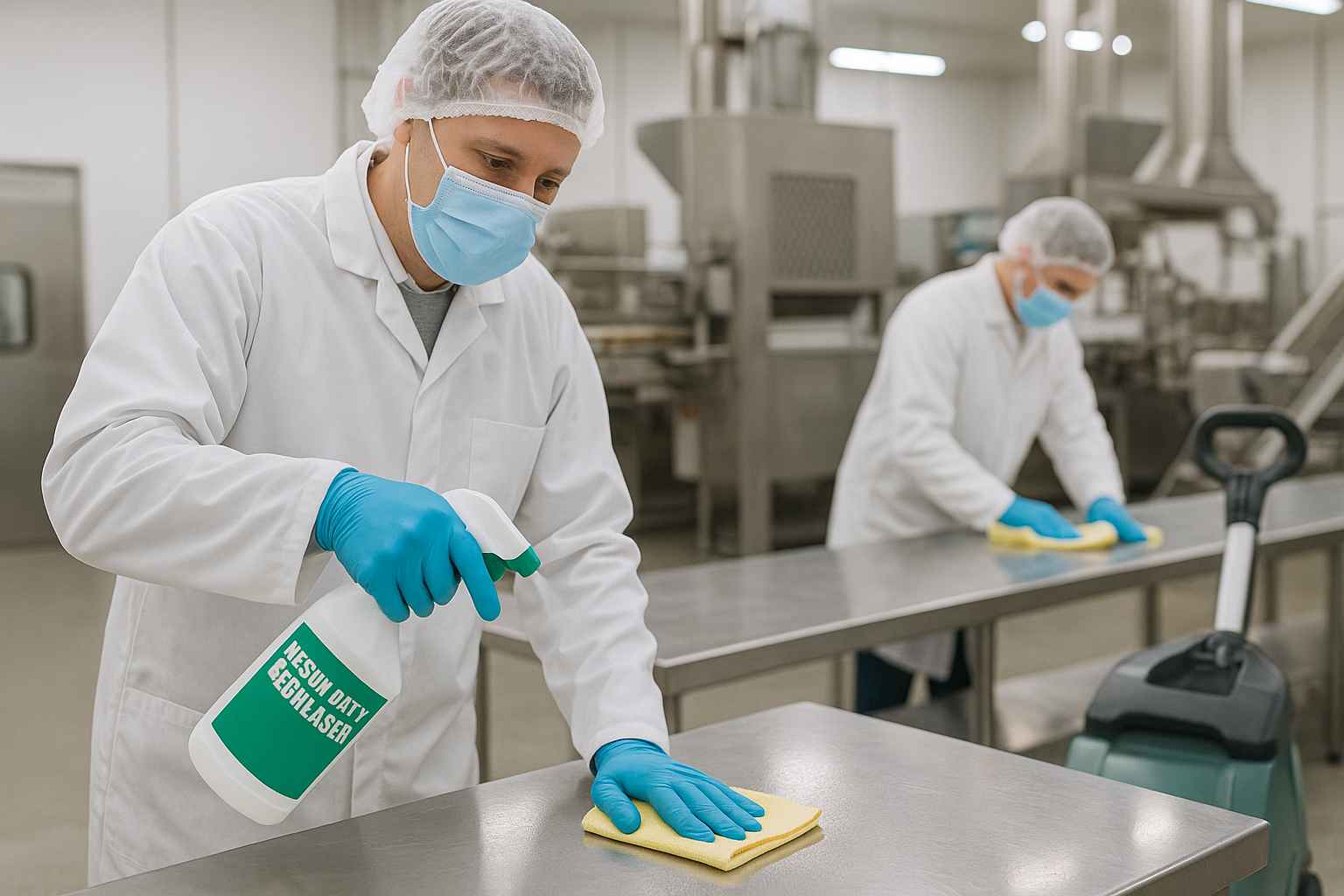
Heavy Duty Degreasers in Food Processing Facilities: A Must for Hygiene and Efficiency
Introduction to Heavy Duty Degreasers
When it comes to maintaining cleanliness and efficiency in food processing facilities, heavy duty degreasers play an indispensable role. These powerful cleaning agents are specifically formulated to tackle stubborn grease and grime, ensuring not only compliance with stringent sanitation standards but also enhancing operational safety. In this blog, we’ll delve into why heavy duty degreasers are crucial in the food industry and how they contribute to a more efficient production environment.
The Role of Heavy Duty Degreasers in Food Processing
In any food processing facility, grease and grime can quickly accumulate, particularly in areas where food is prepared, cooked, or packaged. This build-up poses a significant risk, as residues can harbor bacteria, potentially leading to food contamination. Heavy duty degreasers are formulated to break down these tough contaminants, making them essential for maintaining hygienic conditions.
Types of Heavy Duty Degreasers
Solvent-Based Degreasers
These are your go-to products when dealing with the toughest grime. Formulated with powerful solvents, they dissolve greases effectively, making them indispensable in areas such as industrial kitchens and equipment where grease build-up is intense. While highly effective, it’s crucial to consider ventilation and safety when using solvent-based degreasers given their strong chemical composition.
Water-Based Degreasers
Favoured for their eco-friendliness, water-based degreasers use alkaline solutions to dissolve grease. They are safer to use and better for the environment as they do not contain harsh chemicals. These degreasers are perfect for surfaces that require frequent cleaning, such as benchtops and workstations in food facilities.
Enzyme-Based Degreasers
These degreasers leverage natural enzymes to break down grease. They are non-toxic and biodegradable, making them an excellent choice in food processing facilities focused on sustainability. Enzyme-based options are particularly effective in maintaining clean floor surfaces where organic build-up is common.
Applications in Food Processing Facilities
Surface Cleaning
From floors to preparation surfaces, heavy duty degreasers ensure that all surfaces are free from grease and grime, reducing the risk of contamination. Regular use in these areas maintains a high level of hygiene, crucial for food safety compliance.
Equipment Maintenance
Equipment used within food processing, such as mixers, ovens, and conveyors, can accumulate grease rapidly. Using a heavy duty degreaser regularly not only maintains equipment efficiency but also extends its operational life by preventing damage caused by grease build-up.
Ventilation and Exhaust Cleaning
Cleaning out vents and exhaust systems is critical to prevent grease fires and maintain air quality within the facility. Heavy duty degreasers effectively remove grime in these hard-to-reach areas, thus ensuring safe and clean ventilation systems.
Benefits of Using Heavy Duty Degreasers
Compliance with Health Standards
One of the foremost reasons for using heavy duty degreasers is to adhere to national food safety regulations. Thorough cleaning reduces health risks, thus ensuring continued compliance with Australian food safety standards.
Improved Operational Safety
Slip hazards from greasy surfaces are a constant concern in food processing environments. Regularly using degreasers mitigates these risks, thereby safeguarding employee welfare and maintaining a safe working environment.
Enhanced Efficiency and Performance
Clean equipment functions at optimal performance levels, reducing breakdowns and maintenance needs. This increased efficiency translates into higher productivity and lower costs, benefiting overall business operations.
Choosing the Right Degreaser
Selecting the right type of heavy duty degreaser depends on specific needs. Consider factors like the nature of the surface, the type of grease involved, and environmental impacts. An understanding of these elements will assist in picking the most effective degreaser for your facility.
Safety Considerations When Using Degreasers
Regardless of the type, safety measures are paramount when handling chemicals. Always adhere to manufacturer instructions, wear appropriate PPE such as gloves and masks, and ensure proper ventilation when using degreasers, especially solvent-based products.
Conclusion
In summary, the application of heavy duty degreasers in food processing facilities is not just about maintaining cleanliness—it’s about ensuring safety, compliance, and operational efficiency. By understanding the types and usages of degreasers available, you can ensure your facility operates smoothly, safeguarding both product quality and worker safety.