High-pH vs. Low-pH Carpet Cleaning Chemicals: When to Use Each Type
The ABCs of Carpet Cleaning Chemicals
Keeping your carpet as clean as a whistle involves more than just regular vacuuming. The right carpet cleaning chemical can make a world of difference, especially when you understand the effects of pH levels. But what's the deal with carpet cleaning chemicals, and why does pH matter? Let's dive into how high-pH and low-pH cleaning solutions can affect your carpeting.
Understanding pH Levels in Carpet Cleaning Chemicals
When we talk about pH, we're referring to the acidity or alkalinity of a solution. For carpet cleaning, this can greatly influence cleaning effectiveness and carpet longevity:
- Acidic Cleaners: With a pH of less than 7, these products are brilliant at removing mineral deposits and stains like rust. They're best handled with care, especially on natural fibers.
- Alkaline Cleaners: With a pH greater than 7, they excel in eliminating greasy or oily residues. They're ideal for synthetic fibres that usually repel acidic soils.
- Neutral Cleaners: Having a pH at around 7, these are your go-to for gentle, regular cleaning, maintaining a balance between effectiveness and gentleness on fibers.
Picking the Right Cleaner Based on Carpet Fiber
Before you grab just any cleaner, think about what kind of carpet you're working with:
- Synthetic Fibres: These, like nylon and polyester, are resilient. They can handle a broader range of pH levels, from 3 to 12, making them adaptable to both acidic and alkaline cleaning solutions.
- Natural Fibres: Materials like wool or cotton are more delicate, needing cleaners with a pH between 5 and 8 to prevent damage.
Types of Carpet Cleaning Chemicals
Enzyme-Based Cleaners
Enzyme cleaners are like nature's little helpers, using proteins to break down organic spills such as pet urine or food stains. They're generally safe and effective without harsh chemicals.
Oxidizing Agents
Working through oxidation, these agents, including hydrogen peroxide, dismantle tough stains by targeting them with oxygen. While effective, they must be used cautiously to avoid bleaching the carpet.
Presprays
These pre-cleaning solutions dive deep into carpets to lift heavy stains. Let them sit for a bit before wiping away, maximizing effectiveness.
Odour Destroyers
For those mad odours your carpet catches, these products neutralise smells by targeting the molecules responsible. It's a practical solution for pet and moisture-related odours.
Choosing the Right Cleaning Solution for Soil Type
Your choice should also depend on the dirt's nature on your carpet:
- Light Soil: A neutral cleaner will do the trick.
- Heavy Soil: Use acidic solutions for alkaline soils and vice versa, making sure that the solution chosen corresponds to the type of dirt.
Essential Ingredients in Carpet Cleaning Detergents
Do you know what’s in your carpet cleaner? Common solvents include:
- Butyl Cellosolve
- Citrus Extracts, like D-Limonene
- Propylene Glycol Ether
These ingredients play crucial roles in breaking down and removing grime from your carpeting effectively.
Precautions and Best Practices
Testing the pH Level
Before getting into it, check the carpet's pH if it’s been treated before, ensuring you choose a compatible solution.
Heeding Manufacturer Guidelines
Following the manufacturer's instructions is always a safe bet. They detail the proper use, dilution, and integral safety tips.
Spot Testing
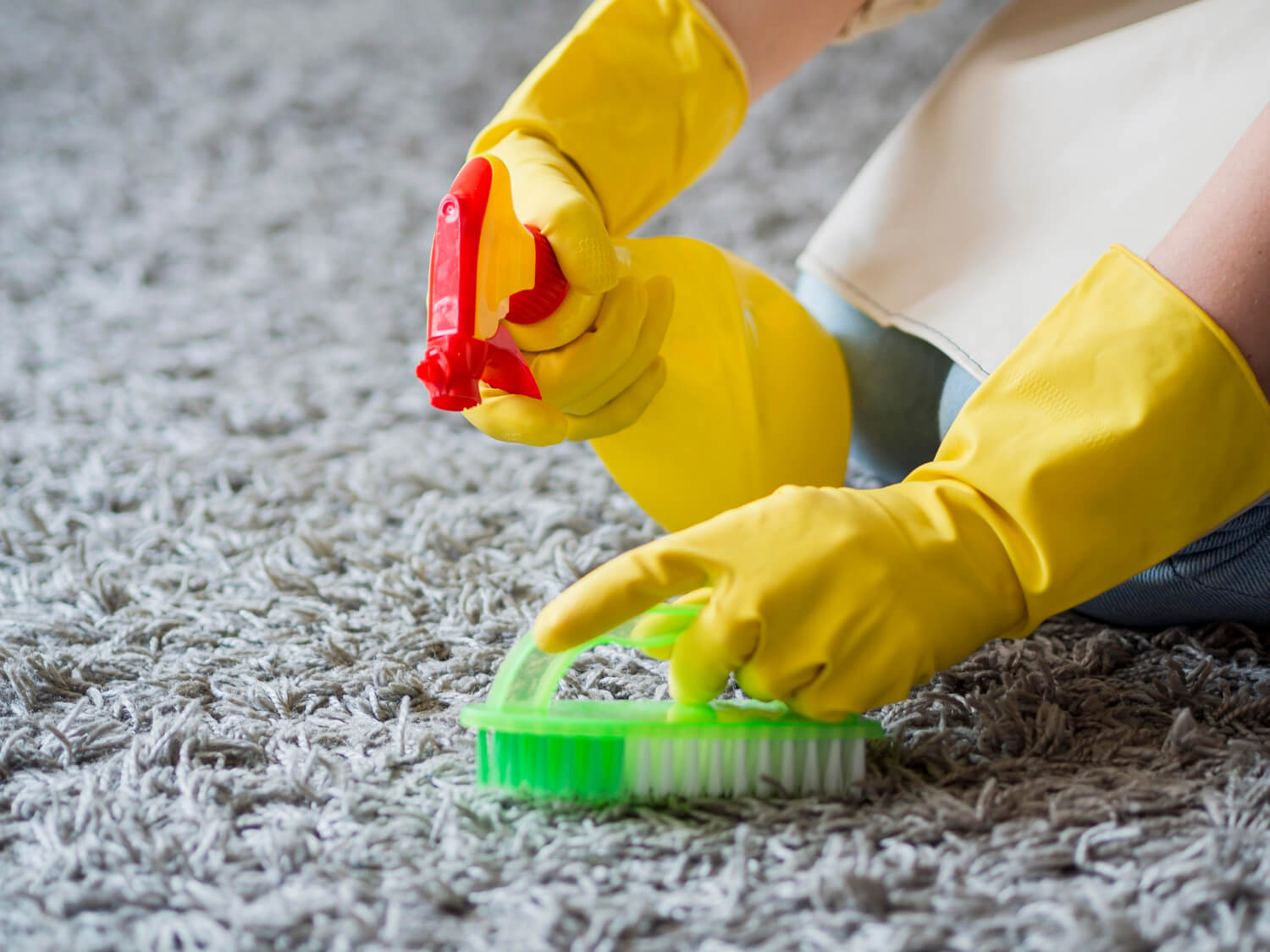
Just like you wouldn't dive into icy water without testing it, apply your cleaner in a small area first to prevent any unpleasant surprises.
Using the Right Equipment
Having the proper equipment ensures you make the most out of your cleaning efforts. Using industry standards and techniques can significantly improve outcomes.
Conclusion
Understanding and choosing the right carpet cleaning chemical can be the difference between success and creating further problems. By considering the stains' nature, carpet's fiber, and pH levels, you can tackle dirt effectively and safely, keeping your floors clean and pristine. Remember to conduct spot tests, follow usage guidelines, and choose solutions that match your carpet's needs for the best cleaning results.