
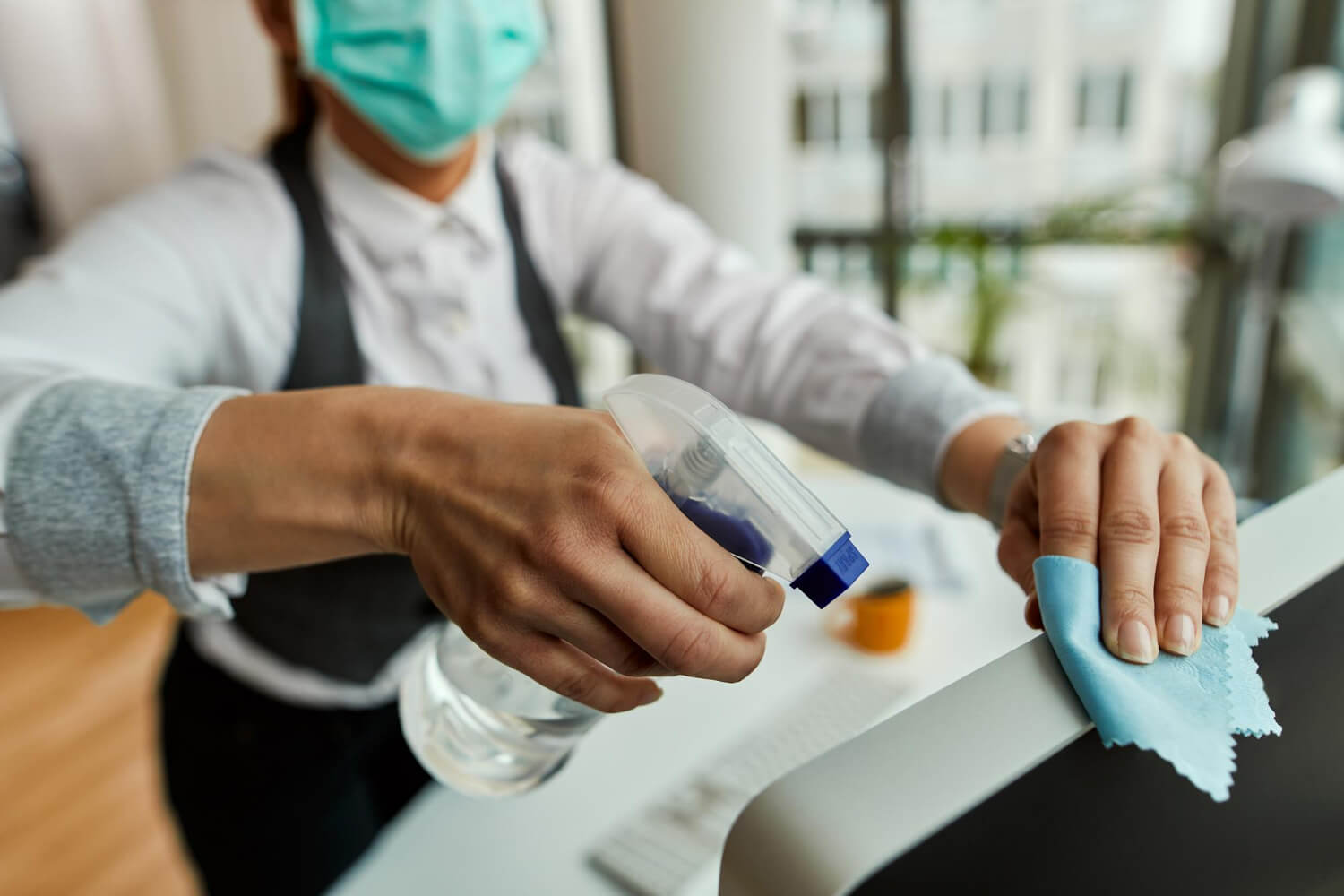
The Forgotten Factor in Cleaning Efficiency: Dwell Time
G'day folks! Today, we're diving into a topic that's more important than you might think but often overlooked when it comes to effective cleaning and sanitisation—dwell time. It’s not usually the first thing blokes and sheilas think of when they're banging on about getting a place cleaned up, but stick with me here because dwell time is key to getting the job done right.
What is Dwell Time?
In the context of cleaning, dwell time refers to the period a cleaning chemical or disinfectant needs to sit on a surface to kill pathogens effectively. We're talking about those few minutes (or as directed on the bottle) that can make the difference between a truly clean surface and one that's just been given a splash-and-dash. Simply wiping and walking away isn't going to cut it!
Why is Dwell Time Crucial for Effective Cleaning?
Now, you might be thinking, “Ah, surely it’s just about scrubbing hard with a good cleaner?” Well, not quite. Think of it like cooking a barbie—if you don't let your snags cook long enough, you've got yourself an underdone meal that’s a health risk. Similarly, with your cleaning products, you need to give them time to do their thing. Rush it, and you're wasting the product and may end up with unsatisfactory results.
The Science Behind Dwell Time
To kill bacteria and viruses, cleaning products must remain visibly wet on a surface for the specified dwell time. This is because the active ingredients in the cleaner need time to break down harmful pathogens effectively. Skipping this step or cutting it short can mean germs are left behind, risking health and safety—defeating the whole point of cleaning!
Dwell Time in Practice
Right, let's take this from theory to our everyday cleaning routine. Whether it’s the kitchen countertops, bathroom surfaces, or even the floor, understanding and applying dwell time matters.
In the Kitchen
You’ve just finished chopping up raw chicken and are wiping down your benches. With a disinfectant spray in hand, ensure you spray and leave it sit for the recommended time. It’s not about going overboard, but meeting that critical time frame to ensure no nasty bacteria like salmonella or E. coli are left hitching a ride on your kitchen surfaces.
In the Bathroom
Bathrooms are a germ’s paradise if not cleaned correctly. Your toilet cleaner might say to let it sit for a few minutes; that time allows it to break down and kill harmful bugs effectively. Same goes for the shower and bathroom floor—linger while it foams and does its job.
The Broader Context of Dwell Time
Dwell time isn’t just all about cleaning. It has applications in many other areas as well, underscoring its importance across industries.
In Transportation
Not cleaning related, but a perfect illustration: in transportation, dwell time refers to how long a train or bus sits at a station. Optimising this can enhance efficiency and service reliability—similar to how optimizing cleaning dwell time ensures surfaces are germ-free.
In Filtration
For filtration systems, dwell time is how long a liquid interacts with the filter. The longer the contact, the more thorough the cleaning process, mirroring the approach needed for cleaning chemicals on surfaces.
In Cybersecurity
Another slightly different angle—dwell time is crucial in cybersecurity, measuring how long an attacker remains undetected in a system. The aim is to decrease this time to minimize damage, much like controlling cleaning dwell time for maximum germ elimination.
Best Practices for Managing Cleaning Dwell Time
So how can you ensure you're making the most of dwell time in your cleaning routine? Here are a few straightforward tips:
- Follow Product Instructions: Each product will have its own set of guidelines regarding dwell time. Pay attention to the label directions and adhere to them for the best results.
- Visible Moisture: Ensure the surface stays visibly wet for the entire dwell time. If it dries prematurely, reapply as needed.
- Test Surfaces: Before applying a cleaner widely, test it on a small, hidden area of the surface to ensure it doesn’t cause damage.
- Be Patient: Apply the disinfectant, set a timer, and give it the necessary duration to work effectively. It’s better than having to do it all over again.
Conclusion: Why Dwell Time is a Must-Consider
In our fast-paced world, it's easy to rush through cleaning tasks. However, considering the concept of dwell time can drastically enhance cleaning effectiveness, leading to safer and more hygienic spaces. Whether it's in your home or workplace, understanding and applying dwell time ensures that your efforts are effective, keeping everyone healthier and safer.
Next time you grab that cleaning spray, take a moment to let it linger and do its job properly. After all, you wouldn’t rush a perfect barbie and leave it half-done. Give your cleaning products the time they need and see the difference for yourself.
Make dwell time part of your cleaning routine and enjoy the peace of mind that comes with knowing your surfaces are genuinely clean. Cheers to cleaner living, mates!