
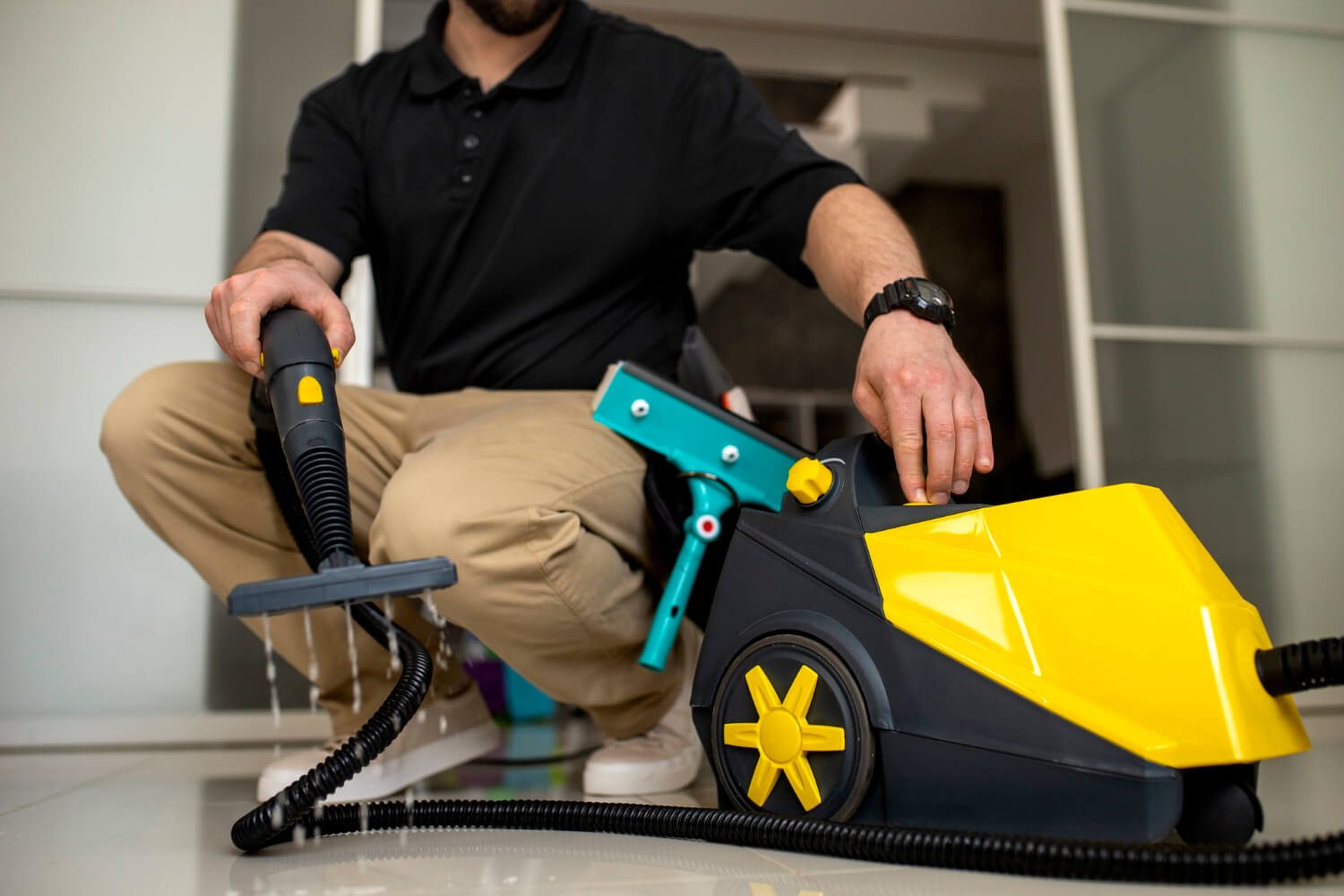
Understanding and Preventing Buildup in Floor Scrubber Use
G'day mates! Today, we're diving into a topic that often gets overlooked in the hustle and bustle of maintaining electronics and manufacturing facilities—the dreaded buildup in floor scrubber. If you're managing an arena filled with sensitive electronics or complex manufacturing procedures, this one's for you. Without further ado, let's explore how static buildup in your floor scrubber can be more than just a cleaning conundrum, impacting safety and operational efficiency.
Why Buildup in Floor Scrubber is a Cause for Concern
When restos or workshops hire professionals to scrub away the built-up grime, they often miss one critical concern—static buildup. Static electricity isn't just a cool science project staple; it's a real threat, particularly when it comes to damaging sensitive electronic equipment. One rogue floor scrubber could potentially generate enough static chap to ruin your day. This can lead to a sudden electrostatic discharge, which might cause electrical failures in sensitive machinery and equipment.
Electrostatic Discharge (ESD) and Its Impacts
Electrostatic discharge is like a sneaky electrical zap that can damage or disrupt electronic components. In facilities where everything from microchips to massive servers operates daily, even minor interference can lead to significant downtime and costly repairs. Thus, the emergence of static buildup inside your floor scrubber is not a trivial matter—it's a pressing safety and operational concern.
Identifying Usual Suspects: Common Buildup Issues
Vacuum System Buildup
Just like when you forget to clean behind the fridge, dirt loves to hide in floor scrubbers. The vacuum system is a prime victim, with blockages in the hoses and loose connections often leading to inefficiency. Make sure hoses are clear and connections snug to avoid performance dips and static buildup.
Solution Tank Buildup
Another hotspot for buildup is the solution tank. A clogged filter or a dirty tank can make it difficult for your scrubber to work effectively. Regular cleaning can prevent the emergence of buildup—which, in turn, minimises the chance of static-related issues.
Squeegee Buildup
Your scrubber's squeegee also needs to be in tip-top shape. A worn or dirty squeegee can leave floors streaked and imperfectly cleaned, but more critically, it can also exacerbate static buildup. Regular maintenance and replacement of squeegees will mitigate this risk.
Staying Ahead: Preventing Buildup is Key
Engage in Routine Maintenance
Stay ahead of issues by implementing a solid maintenance routine. Regular checks can preempt buildup problems, ensuring that your floor scrubbers remain as effective and safe as possible. A bit of prevention goes a long way!
Choose the Right Components
Not all floors are created equal, so choose pads and brushes suitable for your specific cleaning needs. Incorrect selections can contribute to buildup while exacerbating static issues, so be attentive. It's like picking the right surfboard for the right wave!
Check Your Chemicals
Your chosen cleaning solutions can either elevate or hamper your results. Opt for chemicals that are compatible with your floor type to avoid residue buildup, which can increase static accumulation.
Troubleshooting and Resolving Buildup Issues
Vacuum System Troubleshooting
If your vacuum system's gone on strike, first make sure all switches are operational. Inspect hoses for blockages and ensure the system filter is free of debris. Tighten all loose connections—every detail counts!
Solution Tank Troubleshooting
For tank troubles, verify water levels first. Clean out the tank and the filter then check the pump, solenoid, and related components. An empty tank equals an unhappy scrubber!
Fixing Squeegee Problems
If your floor looks like a zebra crossing, you might need to check those squeegees. Ensure they are clean, well-aligned, and intact. Their replacement might be just what you need to remedy the streaks and minimise static issues.
Enhancing Facility Safety with Antistatic Measures
Invest in Anti-static Solutions
Implement anti-static floor scrubber solutions and modifications to keep your environments safe. This includes using cleaning solutions designed to reduce static, as well as equipping scrubbers with anti-static components.
Proper Staff Training
Ensure your mates on the floor know how to operate and maintain scrubbers properly. Well-informed staff can make all the difference when it comes to preventing static buildup and protecting sensitive equipment.
Conclusion: Banish Buildup and Boost Your Bottom Line
Buildup in floor scrubbers is more than just a dirt issue. It's a static problem that can impact facility safety significantly, especially when dealing with sensitive electronics. Through informed practices, regular maintenance, and wise component choices, you can banish buildup and help ensure efficiency and safety in your workspaces. Stay alert, stay safe, and keep scrubbing effectively!