
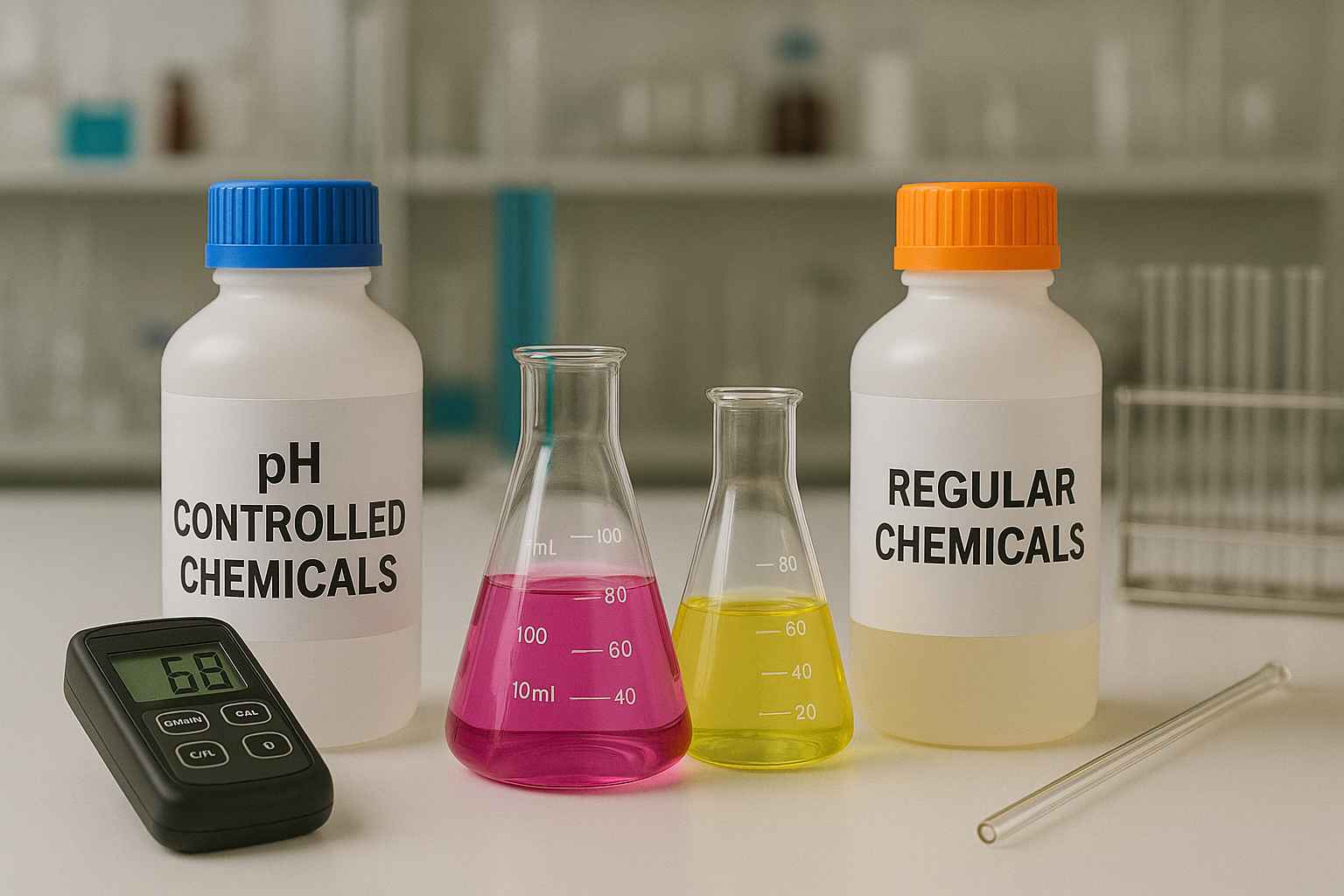
Understanding pH Controlled Chemicals vs. Regular Chemicals: Key Differences
G'day, folks! Today we're diving into the fascinating world of chemistry, specifically focusing on pH controlled chemicals versus your regular, run-of-the-mill chemicals. In this guide, we'll break down the core differences, benefits, and why choosing the right chemical is crucial for those aged 30-60 who want to get the job done safely and effectively.
pH Controlled Chemicals: What's the Big Deal?
Before we dive in too deep, let's get our heads around what pH actually is. Simply put, pH is a scale that measures how acidic or basic (alkaline) a solution is. It runs from 0 to 14, with 7 being neutral. Dip below 7, and you're in acidic territory; above 7, and you're dealing with an alkaline solution.
Why Is pH Control Important?
Maintaining an optimal pH level is essential for a slew of reasons, particularly if you're knee-deep in industrial processes, water treatment, or dealing with biological systems. Let's break it down a bit further:
Industrial Processes
In industry, pH needs to be just right to ensure safety and effectiveness during chemical reactions. For processes like coagulation, flocculation, and disinfection, keeping pH under control is crucial for successful outcomes. A slight misstep, and you risk the reaction going pear-shaped.
Water Treatment
When it comes to water treatment, managing the pH is vital. It enhances the efficiency of chemical reactions, keeps corrosion in check, and supports pH-dependent biological processes essential in water treatment.
Biological Systems
The human body is a ripper piece of machinery, and it relies heavily on keeping its pH finely balanced. A wrong turn there, and you’ll find yourself in strife, impacting cellular health.
How pH Controlled Chemicals Make a Difference
Now that we know why pH matters, let’s look at how pH controlled chemicals play their part. These chemicals are formulated to maintain specific pH levels, preventing unwanted surprises and ensuring the job gets done right. Compared to regular chemicals, they’re less likely to throw a spanner in the works.
Safety and Effectiveness
The standout feature of pH controlled chemicals is their ability to stabilise pH levels, making them safer to use and enhancing performance. In contrast, regular chemicals can sometimes be a bit aggressive, potentially damaging surfaces or affecting overall performance. For anyone who's ever botched a job with the wrong chemical, you’ll know the pain!
How pH Controlled Systems Work
To keep pH levels balanced, systems rely on a few components:
- pH Electrodes and Meters: These measure the current pH level of a solution.
- pH Controller: Interprets the data and adjusts reagent levels accordingly.
- Reagent Pumps: Add acids or bases to tweak the pH as required.
The process starts with measuring the solution's pH. The controller then steps in, deciding whether adjustments are needed. If the pH isn’t quite hitting the mark, reagent pumps get to work, adding the required reagents to nudge the pH back on track.
Variables That Can Throw a Spanner in the Works
While we’d like it all to be smooth sailing, a few variables can muck things up:
- Flow Rate: Fast or slow solution flows can impact mixing efficiency.
- Reagent Strength: The concentration of the reagents used affects how well the pH adjusts.
- Method of Addition: Whether reagents are added continuously or in batches can influence control efficiency.
- Physical Constraints: Tank size and mixing capabilities all come into play in managing a steady pH.
Where Are pH Controlled Chemicals Used?
Industrial Applications
From chemical manufacturing to food processing and pharmaceuticals, pH control plays a pivotal role. It ensures precise reactions, enhances product quality, and guarantees safety.
Water Treatment
Whether treating drinking water to meet safety standards or managing wastewater, pH control is a linchpin in securing successful outcomes.
Biological and Medical Systems
In the medical arena, pH regulation is crucial, particularly during treatments like dialysis. Similarly, in agriculture, soil pH adjustments can make a world of difference to crop yields.
Key Takeaways and Best Practices
Wrapping up, here are some tips to ensure your pH controlled processes run like a well-oiled machine:
- Regular Calibration: Always keep your equipment calibrated to ensure accuracy.
- Thorough Mixing: Vital for avoiding uneven results.
- Continuous Monitoring: Stay on top of things with regular checks and adjustments.
- Regular Maintenance: Keep the systems in top-notch condition with routine care.
- Training: Ensure your team is clued up on the ins and outs of your systems.
Conclusion: Choosing the Right Chemical
Understanding the distinction between pH controlled and regular chemicals isn't just academic—it's about practicality and ensuring you don’t run into any culinary kerfuffles. With pH controlled chemicals, you're equipped to tackle tasks with precision, efficiency, and safety. So, next time you're faced with choosing the right chemical setup, remember the importance of pH control. Your results—and your stress levels—will thank you for it!